
Understanding Wasp Activity in London
Wasps are a common summer pest across London boroughs. From garden sheds in suburban Croydon to roof voids in Camden terraces and outdoor dining areas in Westminster restaurants, nests can develop quickly once warmer weather arrives.
Unlike bees, wasps are more territorial and may become defensive if their nest is disturbed. While a single wasp outdoors is not unusual, increased activity around one area often signals a nearby nest.
When Wasp Season Begins in London
Wasp season typically begins in late spring when queen wasps emerge from hibernation. They search for sheltered locations to build new nests, often in lofts, wall cavities, garages or under eaves.
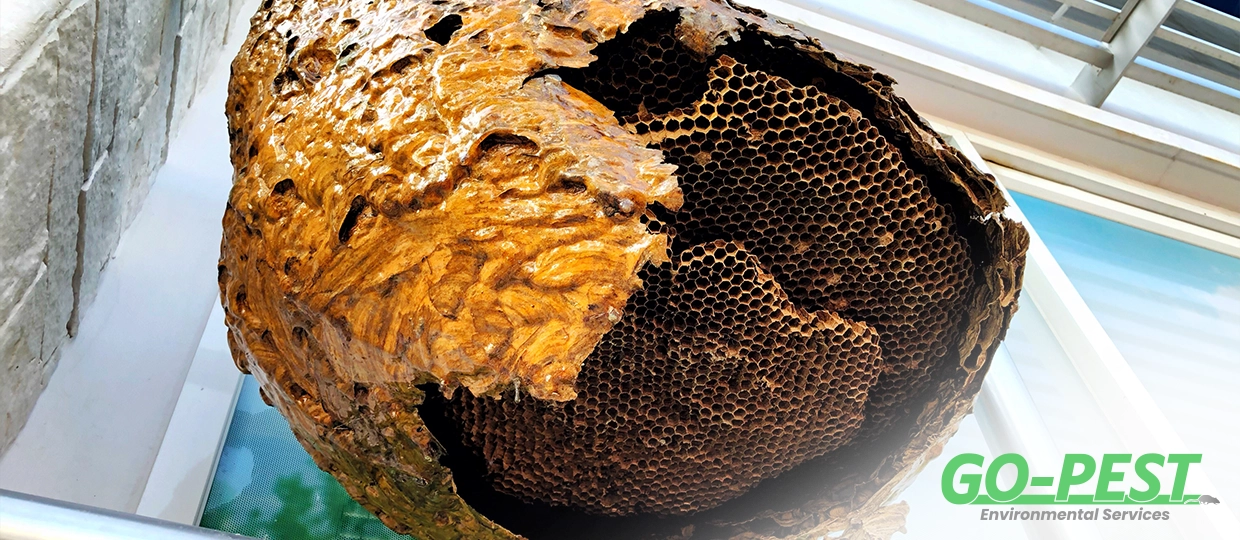
By mid to late summer, nests may contain thousands of wasps. At this stage, activity becomes more noticeable and the risk of stings increases.
Common Nest Locations in London Properties
In residential homes, wasp nests are often found in:
- Loft insulation and roof voids
- Garden sheds
- Wall cavities
- Under roof tiles
- Behind fascia boards
In commercial settings, nests may develop near outdoor seating areas, delivery bays or storage units.
Signs You May Have a Wasp Nest
Key indicators include:
- Frequent wasp traffic entering and exiting a single point
- A visible papery structure in lofts or sheds
- Buzzing sounds inside walls or ceilings
- Increased wasp presence indoors
Wasps typically follow consistent flight paths to and from the nest. Observing this pattern often helps identify its location.
Is It Safe to Remove a Wasp Nest Yourself?
Attempting to remove a wasp nest without professional equipment can be dangerous. Wasps defend their nest aggressively when disturbed. In confined spaces such as lofts, this can pose significant risk.
Retail sprays rarely eliminate large nests completely and may cause wasps to scatter, increasing indoor activity.
When Professional Removal Is Recommended
Professional removal is advisable when:
- The nest is inside a property structure
- Activity levels are high
- The nest is near entrances or frequently used areas
- There are children or vulnerable individuals present
- The nest is on commercial premises
In restaurants and hospitality settings, wasp presence near food service areas may also impact customer experience.
How Professional Treatment Works
Treatment typically involves applying an approved insecticidal powder or spray directly into the nest entrance. The product is carried back into the colony, eliminating wasps over a short period.
Most treatments take effect within 24 to 48 hours. The nest itself may remain visible but becomes inactive once the colony is eliminated.
Do Nests Return to the Same Location?
Old nests are not reused, but new queens may build nearby if conditions remain favourable. Sealing entry gaps and addressing sheltered voids reduces future risk.
Commercial Considerations in London
For businesses with outdoor seating, food storage or customer footfall, visible wasp activity can cause concern. Early intervention maintains safe and comfortable environments.
Proactive monitoring during summer months helps prevent disruption.
Prevention in London Properties
Preventative measures include:
- Sealing small gaps in eaves and brickwork
- Installing fine mesh over air vents
- Maintaining secure bin lids
- Inspecting loft spaces in spring
London’s varied housing stock means regular inspection is particularly important in older properties.
Timing Matters
Early-season nests are smaller and easier to treat. Waiting until late summer increases colony size and treatment complexity.
Identifying increased wasp activity early allows safer and more efficient resolution.
Managing Wasp Risk Calmly and Safely
Wasps are a seasonal reality across London. While most encounters are minor, established nests near living or working areas should be addressed professionally.
Prompt assessment and controlled treatment ensure minimal disruption and restore safe use of property spaces.