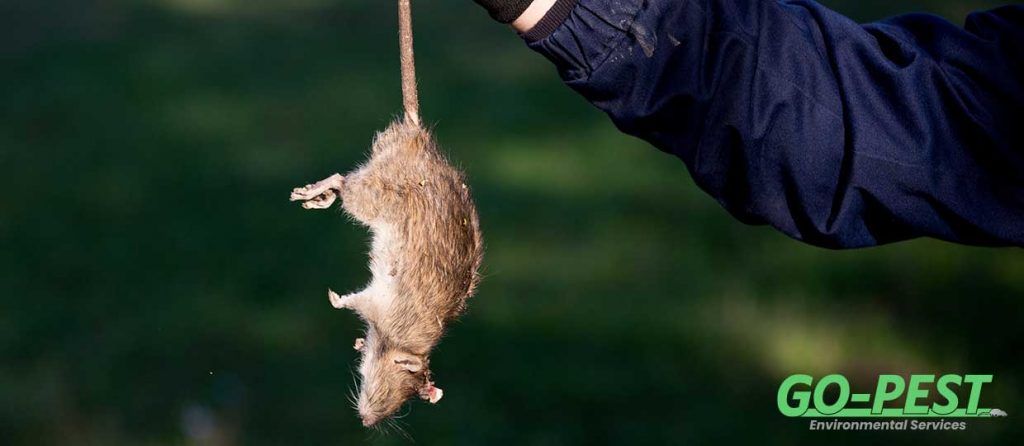

Why Gardens in London Attract Rats
Rats thrive anywhere they can find food, water, and shelter. Gardens in London offer all three, often without homeowners realising it. Overgrown areas, compost heaps, pet food bowls, and unsecured bins are perfect for them. Dense planting and old sheds provide hiding spots, while nearby sewers and underground routes give easy access. Left unchecked, rats can quickly establish burrows, damage plants, gnaw structures, and spread disease.
Remove Food Sources
The most effective way to discourage rats is to cut off their food supply. They’re opportunistic eaters, taking advantage of everything from dropped birdseed to kitchen scraps in compost piles.
- Keep compost bins sealed and off the ground. Choose models with solid sides and lids rather than open heaps.
- Avoid leaving pet food or seed out overnight. Feed birds in the morning and clear uneaten food before dusk.
- Use secure wheelie bins and double-bag food waste to reduce smells that attract rodents.
Small changes in feeding and waste habits make a big difference in how attractive your garden is to rats.
Limit Shelter and Nesting Spots
Rats prefer to stay hidden during the day. Dense undergrowth, stacked firewood, cluttered sheds, and unused planters give them safe places to rest and breed.
- Trim overgrown shrubs and clear away garden debris.
- Raise woodpiles off the ground and keep them away from walls and fences.
- Store garden furniture cushions, pet bedding, and other soft materials indoors when not in use.
Reducing shelter forces rats into the open, making your garden less appealing and easier to monitor.
Protect Sheds and Outbuildings
Old or poorly maintained sheds often develop gaps at the base, under doors, or where pipes enter. These gaps let rats inside, where they chew materials and nest in stored items.
- Inspect the base of sheds and seal holes larger than a pencil with steel mesh or concrete.
- Fit door sweeps and weather stripping to block entry points.
- Keep stored items in sealed plastic containers instead of cardboard boxes, which rodents chew easily.
By proofing outbuildings, you remove key nesting sites and storage for food sources.
Maintain Compost and Green Waste Properly
Compost heaps are one of the most common attractants for rats in London gardens. Warm, damp organic matter gives them both food and shelter.
- Avoid adding meat, dairy, cooked food, or oily scraps to compost. Stick to vegetable peelings and garden waste.
- Turn compost regularly to disturb any burrowing rodents.
- Place compost bins on a hard surface like concrete or paving slabs to block access from below.
A well-managed compost bin feeds your garden soil without feeding rodents.
Secure Water Sources
Water is as important as food for rats. Ponds, birdbaths, leaking taps, and clogged gutters can all provide drinking spots.
- Fix outdoor leaks promptly.
- Change birdbath water regularly and consider elevating baths so they’re harder for rats to access.
- Keep pond edges clear of heavy vegetation where rodents can hide.
Reducing available water discourages rodents from settling in your garden.
Block Entry Points from Neighbouring Areas
London’s interconnected gardens, drains, and sewer networks make it easy for rats to travel between properties. Proofing your garden without addressing entry points just invites re-infestation.
- Repair broken fences or gaps under gates.
- Install fine mesh along the base of fences to prevent burrowing.
- Seal gaps where pipes enter your property or where walls meet the ground.
Collaborating with neighbours on rodent control often leads to better results for everyone.
Use Traps and Monitoring Stations
For ongoing protection, consider setting up traps or tamper-resistant bait stations. These don’t always require poison; mechanical traps and non-toxic monitoring blocks can identify early activity.
- Place traps along walls or behind sheds where rats travel.
- Check regularly and dispose of catches safely using gloves.
- Use only tamper-proof bait stations if you have pets or children.
Monitoring lets you act quickly before a small problem becomes an infestation.
Work With a Professional for Persistent Problems
When rats are already established or the infestation extends beyond your property, professional pest control becomes essential. Technicians in London use regulated rodenticides, advanced traps, and proofing methods that aren’t available to the general public. They also conduct surveys to find where rats are entering and nesting so treatments are targeted and effective.
Look for companies accredited by the BPCA or NPTA, which ensures they meet UK standards for safety and professionalism.
Planting and Garden Design Tips
Some garden layouts naturally discourage rodents. Low, open planting makes it harder for them to move unseen. Raised beds with metal mesh beneath can block burrowing. Keeping pathways clear and well-lit reduces cover and makes your garden less inviting at night.
Even small design changes—like storing compost in a sealed bin rather than a heap—can dramatically reduce rodent activity over time.
Health and Safety Considerations
Rats carry diseases and parasites that can harm humans and pets. Always wear gloves when cleaning areas where rats may have been active. Disinfect surfaces after removing droppings. Store children’s toys and pet bowls indoors at night. These habits protect your household while you work to eliminate the rodents themselves.
Make Your Garden a Place Rats Don’t Want to Live
Keeping rats away from your garden in London comes down to making it unattractive to them. Remove food and water, reduce hiding places, proof buildings, and act quickly at the first sign of activity. By combining these steps, you turn your garden from a rodent-friendly zone into a space that’s safe, clean, and enjoyable for you, your family, and your plants.