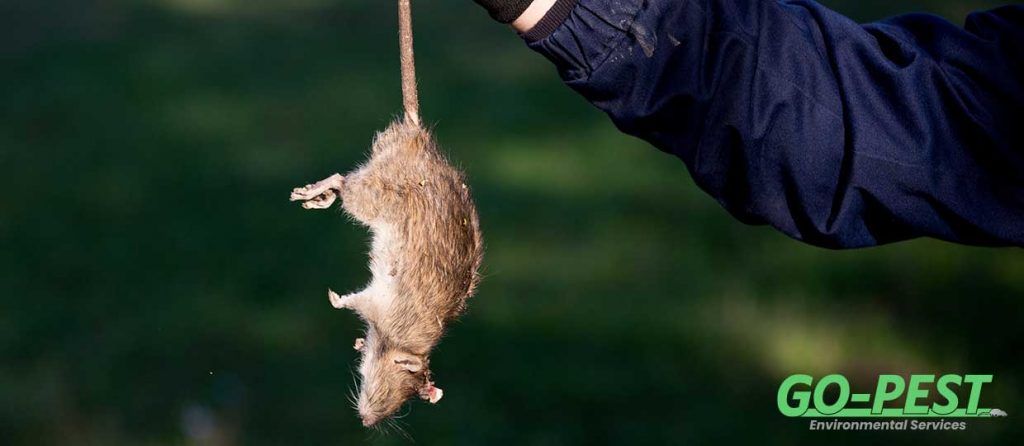

Why Pest Responsibility Is a Common Question in London
In London’s rental market, pest issues can create uncertainty between tenants, landlords and managing agents. With a high proportion of flats, house shares and converted properties across boroughs such as Hackney, Camden and Lambeth, determining responsibility is not always straightforward.
Understanding legal and practical obligations helps prevent disputes and ensures infestations are handled promptly and appropriately.
Landlord Duties Under UK Housing Law
Landlords in London are responsible for maintaining the structure and exterior of a property. This includes walls, floors, drainage systems, pipework and entry points. If pests enter due to structural defects, such as broken drains, damaged brickwork or gaps around utility pipes, the responsibility typically falls to the landlord.
Properties must be fit for human habitation. Severe infestations that pose health risks may fall under housing standards enforced by local authorities.
When Tenants May Be Responsible
If pest activity results from tenant behaviour, such as improper waste storage or food hygiene issues, responsibility may shift. However, determining the source requires professional assessment rather than assumption.
In shared accommodation, establishing responsibility can be more complex. Clear communication and documented inspection findings help avoid unnecessary disputes.
Rats and Mice in Rental Properties
Rodent infestations in London often stem from structural entry points. Basement flats, ageing drainage and shared wall cavities increase vulnerability. Where proofing or drainage repair is required, landlords are generally expected to address these issues.
Ongoing prevention, including sealing gaps and maintaining external areas, supports compliance.
Bed Bugs in London Flats
Bed bugs are frequently introduced through luggage or second-hand furniture. If an infestation occurs shortly after a new tenancy begins, responsibility may depend on whether the issue pre-existed.
In blocks of flats, coordinated treatment across multiple units may be necessary to prevent re-infestation. Managing agents often play a central role in organising access and communication.
Cockroaches in Multi-Unit Buildings
Cockroach activity can spread between flats through shared ducts and voids. In mixed residential and commercial buildings, coordinated management is often required.
Landlords should ensure communal areas are monitored and maintained.
Environmental Health and Local Authority Involvement
Local councils in London have powers to investigate serious pest infestations if properties fall below housing standards. Environmental Health Officers may inspect rental properties and require corrective action where necessary.
Proactive response reduces the likelihood of enforcement involvement.
Commercial Landlords and Mixed-Use Buildings
In mixed-use properties combining retail or hospitality with residential units, pest control responsibility may vary depending on lease agreements. Commercial tenants are often responsible for maintaining pest-free environments within their premises, particularly where food handling is involved.
However, structural defects affecting multiple units remain a landlord obligation.
The Value of Professional Documentation
Professional inspection reports provide clarity. Identifying entry points, infestation source and recommended actions helps establish responsibility transparently.
For managing agents overseeing multiple properties, maintaining records of inspections and treatments supports compliance and risk management.
Prevention as Part of Property Management
Preventative measures for London landlords include:
- Routine property inspections
- Prompt repair of structural gaps
- Drainage maintenance
- Coordinating treatment in blocks of flats
- Providing tenants with basic prevention guidance
Regular monitoring reduces emergency call-outs and tenant disruption.
Clear Communication Reduces Disputes
Pest issues can cause tension if responsibility is unclear. Addressing reports promptly, arranging professional assessment and documenting findings creates a structured approach that protects both tenants and landlords.
A Structured Approach to Pest Management
London’s rental market presents unique challenges due to housing density and property age. Clear understanding of structural responsibility and early professional involvement ensure infestations are managed effectively and in line with housing obligations.
Proactive management reduces long-term cost, protects tenant wellbeing and maintains property standards.