Why Older London Properties Present Unique Pest Risks
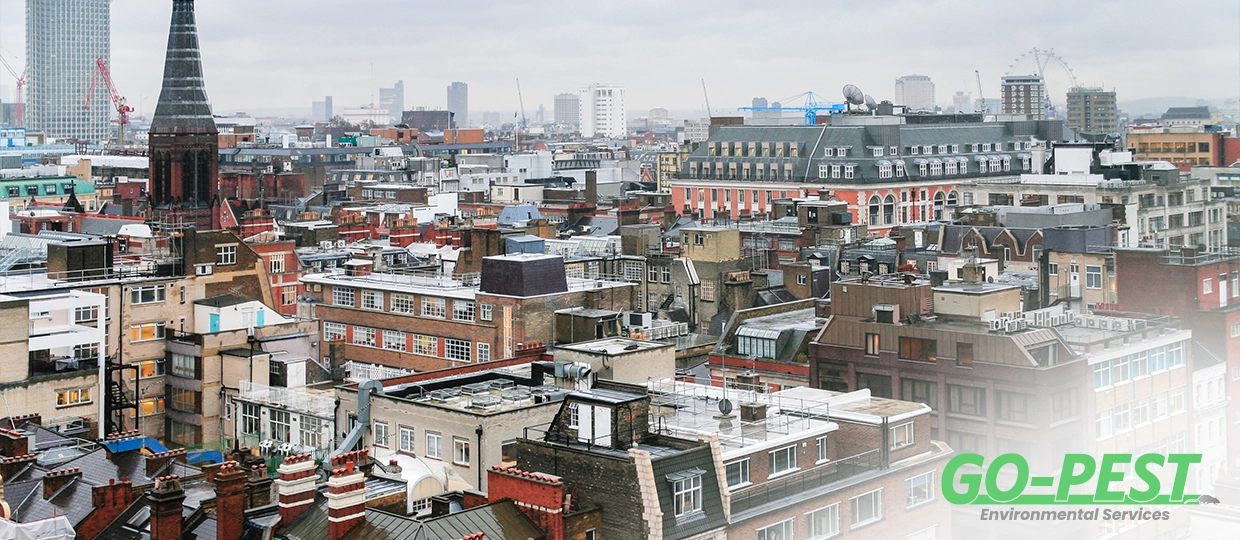
Victorian and Edwardian properties make up a large portion of London’s housing stock. From terraced homes in Islington to basement conversions in Kensington and Hackney, these buildings offer character and architectural appeal. They also present structural features that can increase vulnerability to pest activity.
Ageing pipework, suspended timber floors, shared wall cavities and limited damp proofing create entry routes and nesting opportunities for a range of pests. Understanding these structural characteristics helps explain why infestations are more common in certain property types.
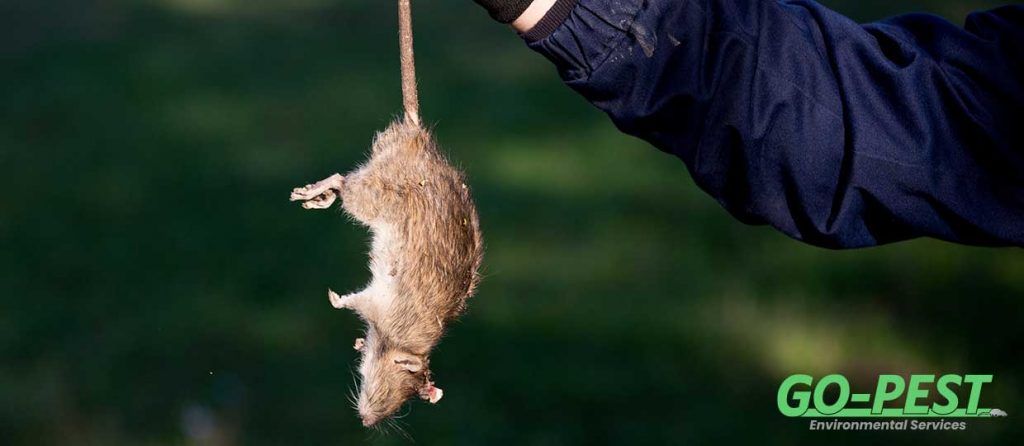
Rats and Mice in Period Properties
Older London homes often have suspended wooden floors with voids beneath. These spaces provide concealed movement routes for rodents. Small gaps around pipe penetrations or air bricks allow entry from outside or from neighbouring properties.
In terraced streets, rodents can move laterally through adjoining walls. This means activity in one property may affect others if entry points are not properly sealed.
Basement flats are particularly vulnerable due to proximity to drains and soil. Cracked external brickwork or damaged drainage can provide access to lower-level dwellings.
Damp Conditions and Insect Activity
Basement flats in London often experience higher humidity levels. Limited ventilation and partial below-ground construction can contribute to condensation and damp. These conditions attract insects such as silverfish and woodlice.
While these insects do not pose the same health risks as rodents, they can indicate underlying moisture problems that require attention.
Cockroaches in Converted Flats
Converted properties with shared waste storage or communal corridors can create favourable conditions for cockroach activity. Gaps behind kitchen units, ageing plumbing and shared ducting systems may allow movement between units.
In areas with high-density housing and takeaway establishments, food residue can increase attraction.
Bed Bugs in Multi-Unit Buildings
Victorian townhouses converted into multiple flats often share wall voids and electrical conduits. Bed bugs can travel through these concealed routes, particularly in densely occupied buildings.
Tenant turnover in rental properties also increases the likelihood of introduction through luggage and furnishings.
Structural Gaps and Ageing Brickwork
London’s older properties frequently have minor cracks in mortar joints or gaps around windows and doors. While these openings may appear insignificant, rodents require only small entry points to gain access.
Over time, natural settling and wear can widen these gaps, increasing vulnerability.
Shared Drains and Sewer Connections
Many Victorian properties connect to older shared drainage systems. If pipework becomes damaged or dislodged, rodents may enter via underground routes.
Drain surveys are sometimes recommended in cases of recurring rodent activity in basement flats.
Landlord and Managing Agent Responsibilities
In rental properties, responsibility for pest issues may depend on tenancy agreements and source of entry. Structural faults such as broken air bricks or damaged drains typically fall under landlord maintenance obligations.
Coordinated action is often required in blocks of flats to prevent reinfestation.
Prevention Strategies for Older Properties
Effective preventative measures include:
- Sealing gaps around pipe penetrations
- Installing mesh over air bricks
- Repairing damaged brickwork and mortar
- Addressing damp and condensation
- Securing waste storage areas
Regular inspection of subfloor voids and loft spaces can identify early signs of activity.
When Professional Assessment Is Advisable
Persistent scratching noises, repeated droppings or unexplained odours in basement areas should prompt professional inspection. Early intervention prevents escalation and reduces structural damage.
In multi-unit properties, communication between occupants helps identify shared issues.
Understanding the Property Helps Solve the Problem
London’s period properties require tailored pest control approaches. Generic advice may overlook structural realities unique to older housing.
Recognising how design features influence pest access allows more effective prevention and long-term management.