
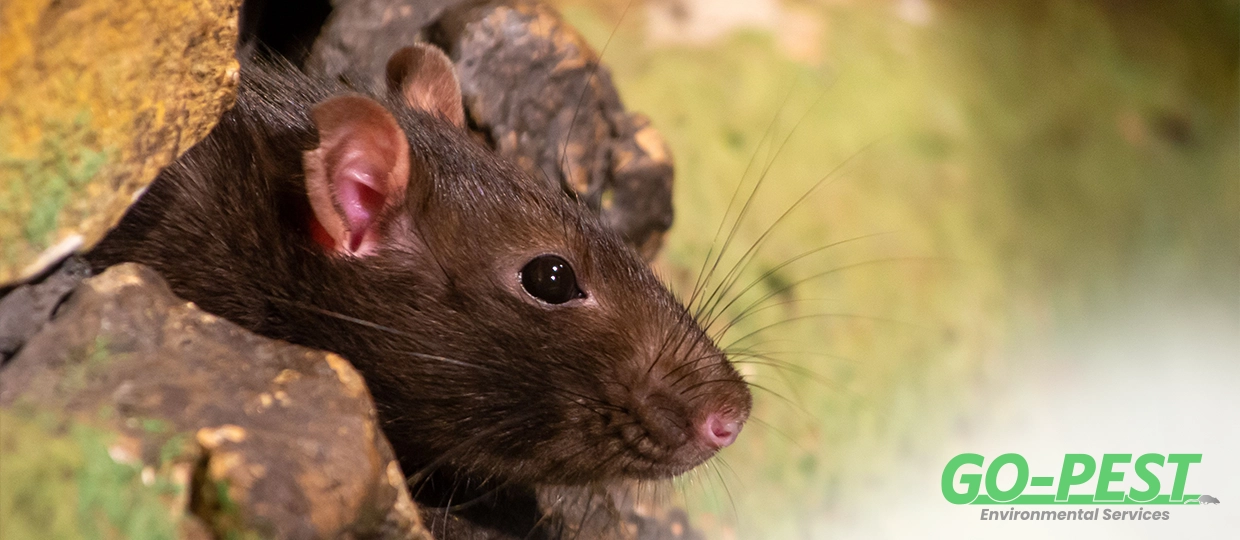
Why Rats Are a Persistent Issue in London
Rats are one of the most common pest problems across London. High population density, ageing sewer systems, underground infrastructure and closely built housing create ideal conditions for rodent movement. From basement flats in Camden to terraced homes in Hackney and commercial kitchens in Westminster, rats can enter properties through surprisingly small gaps.
Early detection makes treatment simpler and more cost-effective. Recognising the signs of rat activity allows homeowners and business operators to act before the problem escalates.
Scratching Noises in Walls or Ceilings
One of the earliest indicators of rats is scratching or scurrying sounds, particularly at night. Rats are nocturnal and most active when properties are quiet. In London terraced houses and converted flats, shared wall cavities allow rodents to move between properties without being immediately visible.
Noises may be heard in loft spaces, between floors or behind kitchen units. Unlike mice, rats produce heavier, slower movement sounds.
Droppings Around Food Areas
Rat droppings are typically dark, pellet-shaped and larger than mouse droppings. They are often found near food storage areas, under sinks, behind appliances or along skirting boards.
In commercial kitchens, droppings may appear near dry storage areas or bin collection zones. Fresh droppings are dark and moist. Older droppings become dry and crumbly.
Gnaw Marks and Property Damage
Rats constantly gnaw to maintain their teeth. You may notice chew marks on skirting boards, cupboard edges, plastic pipes or food packaging. In severe cases, electrical wiring can be damaged, creating fire risk.
In Victorian and Edwardian properties common across London, older timber structures can be particularly vulnerable to repeated gnawing.
Strong Ammonia Smell
Established infestations often produce a strong ammonia-like odour caused by urine. This smell may become noticeable in enclosed spaces such as cupboards, lofts or under-floor voids.
In blocks of flats, odours can travel between units, making source identification more complex.
Grease Marks Along Walls
Rats follow consistent pathways along walls and skirting boards. Over time, body oils leave dark smudge marks on surfaces. These marks are often visible along baseboards or near entry points.
Grease trails can indicate repeated movement between nesting areas and food sources.
Nests in Hidden Areas
Rats build nests using shredded paper, insulation, fabric or packaging materials. Common nesting areas in London homes include loft insulation, beneath kitchen units, inside airing cupboards and within wall voids.
Commercial properties may see nesting in plant rooms, storage areas or behind refrigeration units.
Burrows in Gardens or Outdoor Spaces
In properties with gardens, rats may burrow near fences, decking or sheds. Access to outdoor waste bins can attract activity that eventually moves indoors.
In boroughs with dense housing and limited outdoor space, shared waste storage areas often become entry points for rodents.
Pet Behaviour Changes
Pets frequently detect rodent presence before humans do. Dogs may fixate on specific walls or cupboards. Cats may become unusually alert in certain areas of the property.
Increased Activity Near Bins
Overflowing refuse or unsecured bins can attract rats. In urban London streets where waste collection schedules vary, exposed food waste becomes a common driver of rodent presence.
Health and Structural Risks
Rats carry bacteria and can contaminate food preparation surfaces. In commercial settings, this poses significant compliance risk. Environmental Health Officers expect food businesses to demonstrate active pest monitoring.
Structural risks include insulation damage, chewed wiring and compromised pipework.
When to Seek Professional Assessment
A single sighting does not always indicate a large infestation, but rats rarely travel alone. If droppings, noises or damage are present, professional inspection is advisable.
In flats, coordination with managing agents or neighbours may be necessary to prevent re-entry through shared voids.
Prevention in London Properties
Prevention measures include sealing entry gaps, securing bin lids, maintaining drain covers and reducing accessible food sources. Older London properties often benefit from proofing around pipe penetrations and air bricks.
Commercial operators should implement structured monitoring to reduce risk of escalation.
Early Action Reduces Cost
Addressing rat activity promptly prevents population growth and limits structural damage. Early intervention typically requires fewer visits and reduces long-term disruption.
London’s infrastructure makes rodent activity persistent, but early detection and professional management keep it controlled.